Proof of Address and Proof of Income Verification: Essential Components of Fintech Compliance and Risk Assessment

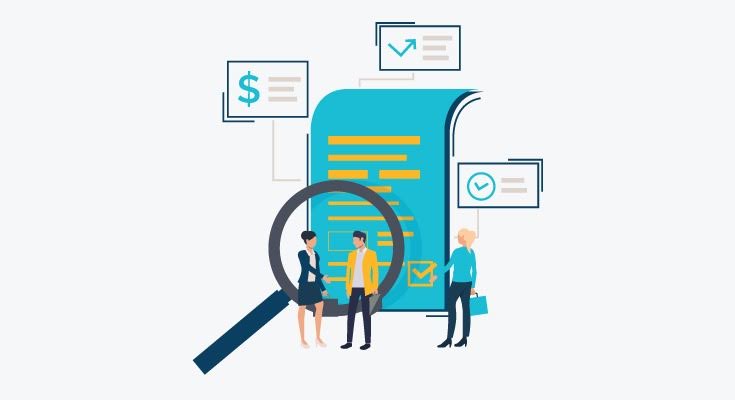
In today's digital financial ecosystem, proof of address verification and proof of income verification play a crucial role in customer onboarding, compliance, risk management, and fraud prevention. As fintech companies, digital banks, lenders, and financial institutions continue to expand their online services, verifying customer information accurately has become a critical requirement. Whether opening a bank account, applying for a loan, accessing investment platforms, or using digital payment services, customers are often required to provide documentation that confirms both their residential address and income source. These verification processes help financial institutions comply with regulations, assess risk, and build trust with customers. This article explores the importance of proof of address and proof of income verification, their applications in the fintech industry, common verification methods, challenges, and best practices. What Is Proof of Address Verification? Proof of address verification is the process of confirming a customer's residential address using official documentation or trusted data sources. Financial institutions use this information to validate customer identities and comply with Know Your Customer (KYC) and Anti-Money Laundering (AML) regulations. Common proof of address documents include: Utility bills Bank statements Credit card statements Government-issued letters Tax documents Insurance statements Rental agreements Mortgage statements Most financial institutions require documents to be issued within the last three to six months to ensure accuracy and relevance. What Is Proof of Income Verification? Proof of income verification involves confirming a customer's earnings, employment status, or source of funds. Financial organizations use income verification to assess financial stability, determine eligibility for products and services, and prevent fraud. Common proof of income documents include: Payslips or salary statements Employment verification letters Tax returns Bank statements Pension statements Investment income reports Freelance contracts and invoices Profit and loss statements for business owners Proof of income verification is particularly important for lending, credit assessment, mortgage applications, and financial risk evaluation. Why Proof of Address and Proof of Income Matter Both verification processes serve as foundational components of customer due diligence and financial risk management. Strengthening Identity Verification Proof of address provides additional evidence that a customer is who they claim to be. Combined with identity verification documents, it creates a more complete customer profile and reduces the risk of impersonation and identity fraud. Supporting Regulatory Compliance Financial institutions must comply with strict regulations designed to combat money laundering, terrorist financing, and financial crime. Proof of address verification is often a mandatory requirement under KYC and AML frameworks. Assessing Financial Risk Proof of income helps fintech companies and lenders evaluate a customer's ability to meet financial obligations. Accurate income verification supports responsible lending practices and reduces default risk. Preventing Fraudulent Activity Fraudsters frequently submit false information when applying for financial products. Verifying both address and income data helps detect inconsistencies and identify suspicious applications before they result in losses. Use Cases in the Fintech Industry The growing fintech sector relies heavily on efficient verification processes to deliver secure and compliant services. Digital Banking Online banks require customers to verify their identity and address before opening accounts. This helps institutions meet regulatory requirements while minimizing onboarding fraud. Consumer Lending Lenders use proof of income verification to determine borrowing capacity and assess repayment ability. Proof of address provides an additional layer of customer validation. Buy Now, Pay Later (BNPL) BNPL providers often verify income and address information to evaluate creditworthiness and manage financial risk. Investment Platforms Investment and wealth management platforms may require proof of address and source-of-funds verification to comply with financial regulations and prevent illicit activity. Cryptocurrency and Digital Asset Services Many cryptocurrency exchanges now require address and income-related verification as part of enhanced due diligence procedures and regulatory compliance programs. Common Methods of Proof of Address Verification Modern fintech companies use various methods to verify customer addresses efficiently. Document Verification Customers upload official documents, which are reviewed manually or through automated systems. Advanced verification technologies can extract information and validate authenticity using Optical Character Recognition (OCR). Database Verification Address information can be cross-referenced against: Credit bureau records Government databases Electoral registers Postal service records This approach helps verify customer information in real time. Digital Identity Solutions Digital identity platforms combine address verification with identity verification, biometric authentication, and risk assessment to create a seamless onboarding experience. Common Methods of Proof of Income Verification Income verification has evolved significantly with the growth of digital financial services. Payslip Verification Salary slips remain one of the most widely accepted forms of income verification for employed individuals. Bank Statement Analysis Financial institutions analyze bank statements to verify income deposits, identify spending patterns, and assess overall financial health. Employment Verification Employers may provide confirmation letters that verify job status, salary, and employment duration. Tax Document Verification Tax returns offer comprehensive insights into annual earnings and are commonly used for self-employed individuals and business owners. Open Banking Integration Open banking technology allows customers to securely share financial data directly from their bank accounts. This enables real-time income verification while reducing document fraud. Challenges in Address and Income Verification Although verification technologies continue to improve, financial institutions still face several challenges. Document Fraud Fraudsters increasingly use sophisticated tools to alter or create fake documents. Organizations need advanced fraud detection systems to identify manipulated files. Global Regulatory Differences Verification requirements vary significantly across countries and regions. Fintech companies operating internationally must adapt their compliance processes accordingly. Self-Employed and Gig Economy Workers Traditional proof of income documents may not accurately reflect the earnings of freelancers, contractors, and gig workers. Alternative verification methods are often required. Customer Experience Complex verification procedures can frustrate users and increase application abandonment rates. Financial institutions must balance compliance requirements with seamless customer experiences. Best Practices for Fintech Verification Processes To improve verification outcomes, fintech organizations should adopt modern and scalable solutions. Automate Verification Workflows Automation speeds up onboarding, reduces operational costs, and improves accuracy. AI-powered verification systems can process documents within seconds. Use Multiple Verification Layers Combining proof of address, proof of income, identity verification, and biometric authentication creates stronger protection against fraud. Leverage Open Banking Open banking provides secure access to verified financial data, reducing reliance on paper-based documents and improving customer convenience. Conduct Ongoing Monitoring Customer information and financial circumstances can change over time. Continuous monitoring helps organizations maintain compliance and identify emerging risks. Protect Customer Data Verification processes involve highly sensitive personal information. Strong encryption, secure storage, and compliance with privacy regulations are essential. The Future of Proof of Address and Proof of Income Verification The future of financial verification is becoming increasingly digital and automated. Emerging technologies such as artificial intelligence, machine learning, open banking, and digital identity networks are transforming how institutions verify customer information. Key trends include: Real-time income verification AI-powered document analysis Open banking integrations Digital identity ecosystems Automated fraud detection Continuous customer due diligence These innovations enable fintech companies to improve security, reduce onboarding friction, and enhance regulatory compliance. Conclusion Proof of address verification and proof of income verification are critical components of modern fintech operations. Together, they help financial institutions verify customer identities, assess financial risk, prevent fraud, and comply with regulatory requirements. As digital financial services continue to grow, organizations that implement advanced verification technologies and streamlined onboarding processes will be better positioned to deliver secure, compliant, and customer-friendly experiences. Investing in robust proof of address and proof of income verification solutions is essential for building trust, reducing risk, and supporting sustainable growth in the fintech industry.

In today’s digital financial ecosystem, proof of address verification and proof of income verification play a crucial role in customer onboarding, compliance, risk management, and fraud prevention. As fintech companies, digital banks, lenders, and financial institutions continue to expand their online services, verifying customer information accurately has become a critical requirement.

Whether opening a bank account, applying for a loan, accessing investment platforms, or using digital payment services, customers are often required to provide documentation that confirms both their residential address and income source. These verification processes help financial institutions comply with regulations, assess risk, and build trust with customers.

This article explores the importance of proof of address and proof of income verification, their applications in the fintech industry, common verification methods, challenges, and best practices.

What Is Proof of Address Verification?

Proof of address verification is the process of confirming a customer’s residential address using official documentation or trusted data sources. Financial institutions use this information to validate customer identities and comply with Know Your Customer (KYC) and Anti-Money Laundering (AML) regulations.

Common proof of address documents include:

  • Utility bills
  • Bank statements
  • Credit card statements
  • Government-issued letters
  • Tax documents
  • Insurance statements
  • Rental agreements
  • Mortgage statements

Most financial institutions require documents to be issued within the last three to six months to ensure accuracy and relevance.

What Is Proof of Income Verification?

Proof of income verification involves confirming a customer’s earnings, employment status, or source of funds. Financial organizations use income verification to assess financial stability, determine eligibility for products and services, and prevent fraud.

Common proof of income documents include:

  • Payslips or salary statements
  • Employment verification letters
  • Tax returns
  • Bank statements
  • Pension statements
  • Investment income reports
  • Freelance contracts and invoices
  • Profit and loss statements for business owners

Proof of income verification is particularly important for lending, credit assessment, mortgage applications, and financial risk evaluation.

Why Proof of Address and Proof of Income Matter

Both verification processes serve as foundational components of customer due diligence and financial risk management.

See also  Understanding 127.0.0.1:49342: A Comprehensive Guide for Developers and IT Professionals

Strengthening Identity Verification

Proof of address provides additional evidence that a customer is who they claim to be. Combined with identity verification documents, it creates a more complete customer profile and reduces the risk of impersonation and identity fraud.

Supporting Regulatory Compliance

Financial institutions must comply with strict regulations designed to combat money laundering, terrorist financing, and financial crime. Proof of address verification is often a mandatory requirement under KYC and AML frameworks.

Assessing Financial Risk

Proof of income helps fintech companies and lenders evaluate a customer’s ability to meet financial obligations. Accurate income verification supports responsible lending practices and reduces default risk.

Preventing Fraudulent Activity

Fraudsters frequently submit false information when applying for financial products. Verifying both address and income data helps detect inconsistencies and identify suspicious applications before they result in losses.

Use Cases in the Fintech Industry

The growing fintech sector relies heavily on efficient verification processes to deliver secure and compliant services.

Digital Banking

Online banks require customers to verify their identity and address before opening accounts. This helps institutions meet regulatory requirements while minimizing onboarding fraud.

Consumer Lending

Lenders use proof of income verification to determine borrowing capacity and assess repayment ability. Proof of address provides an additional layer of customer validation.

Buy Now, Pay Later (BNPL)

BNPL providers often verify income and address information to evaluate creditworthiness and manage financial risk.

Investment Platforms

Investment and wealth management platforms may require proof of address and source-of-funds verification to comply with financial regulations and prevent illicit activity.

Cryptocurrency and Digital Asset Services

Many cryptocurrency exchanges now require address and income-related verification as part of enhanced due diligence procedures and regulatory compliance programs.

Common Methods of Proof of Address Verification

Modern fintech companies use various methods to verify customer addresses efficiently.

See also  The Modern Growth Blog: Tech Resources, Business Ideas

Document Verification

Customers upload official documents, which are reviewed manually or through automated systems. Advanced verification technologies can extract information and validate authenticity using Optical Character Recognition (OCR).

Database Verification

Address information can be cross-referenced against:

  • Credit bureau records
  • Government databases
  • Electoral registers
  • Postal service records

This approach helps verify customer information in real time.

Digital Identity Solutions

Digital identity platforms combine address verification with identity verification, biometric authentication, and risk assessment to create a seamless onboarding experience.

Common Methods of Proof of Income Verification

Income verification has evolved significantly with the growth of digital financial services.

Payslip Verification

Salary slips remain one of the most widely accepted forms of income verification for employed individuals.

Bank Statement Analysis

Financial institutions analyze bank statements to verify income deposits, identify spending patterns, and assess overall financial health.

Employment Verification

Employers may provide confirmation letters that verify job status, salary, and employment duration.

Tax Document Verification

Tax returns offer comprehensive insights into annual earnings and are commonly used for self-employed individuals and business owners.

Open Banking Integration

Open banking technology allows customers to securely share financial data directly from their bank accounts. This enables real-time income verification while reducing document fraud.

Challenges in Address and Income Verification

Although verification technologies continue to improve, financial institutions still face several challenges.

Document Fraud

Fraudsters increasingly use sophisticated tools to alter or create fake documents. Organizations need advanced fraud detection systems to identify manipulated files.

Global Regulatory Differences

Verification requirements vary significantly across countries and regions. Fintech companies operating internationally must adapt their compliance processes accordingly.

Self-Employed and Gig Economy Workers

Traditional proof of income documents may not accurately reflect the earnings of freelancers, contractors, and gig workers. Alternative verification methods are often required.

Customer Experience

Complex verification procedures can frustrate users and increase application abandonment rates. Financial institutions must balance compliance requirements with seamless customer experiences.

See also  Errorcode Dropbox 8737.idj.029.22 — What It Means and How to Fix It

Best Practices for Fintech Verification Processes

To improve verification outcomes, fintech organizations should adopt modern and scalable solutions.

Automate Verification Workflows

Automation speeds up onboarding, reduces operational costs, and improves accuracy. AI-powered verification systems can process documents within seconds.

Use Multiple Verification Layers

Combining proof of address, proof of income, identity verification, and biometric authentication creates stronger protection against fraud.

Leverage Open Banking

Open banking provides secure access to verified financial data, reducing reliance on paper-based documents and improving customer convenience.

Conduct Ongoing Monitoring

Customer information and financial circumstances can change over time. Continuous monitoring helps organizations maintain compliance and identify emerging risks.

Protect Customer Data

Verification processes involve highly sensitive personal information. Strong encryption, secure storage, and compliance with privacy regulations are essential.

The Future of Proof of Address and Proof of Income Verification

The future of financial verification is becoming increasingly digital and automated. Emerging technologies such as artificial intelligence, machine learning, open banking, and digital identity networks are transforming how institutions verify customer information.

Key trends include:

  • Real-time income verification
  • AI-powered document analysis
  • Open banking integrations
  • Digital identity ecosystems
  • Automated fraud detection
  • Continuous customer due diligence

These innovations enable fintech companies to improve security, reduce onboarding friction, and enhance regulatory compliance.

Conclusion

Proof of address verification and proof of income verification are critical components of modern fintech operations. Together, they help financial institutions verify customer identities, assess financial risk, prevent fraud, and comply with regulatory requirements.

As digital financial services continue to grow, organizations that implement advanced verification technologies and streamlined onboarding processes will be better positioned to deliver secure, compliant, and customer-friendly experiences. Investing in robust proof of address and proof of income verification solutions is essential for building trust, reducing risk, and supporting sustainable growth in the fintech industry.

Leave a Reply

Your email address will not be published. Required fields are marked *