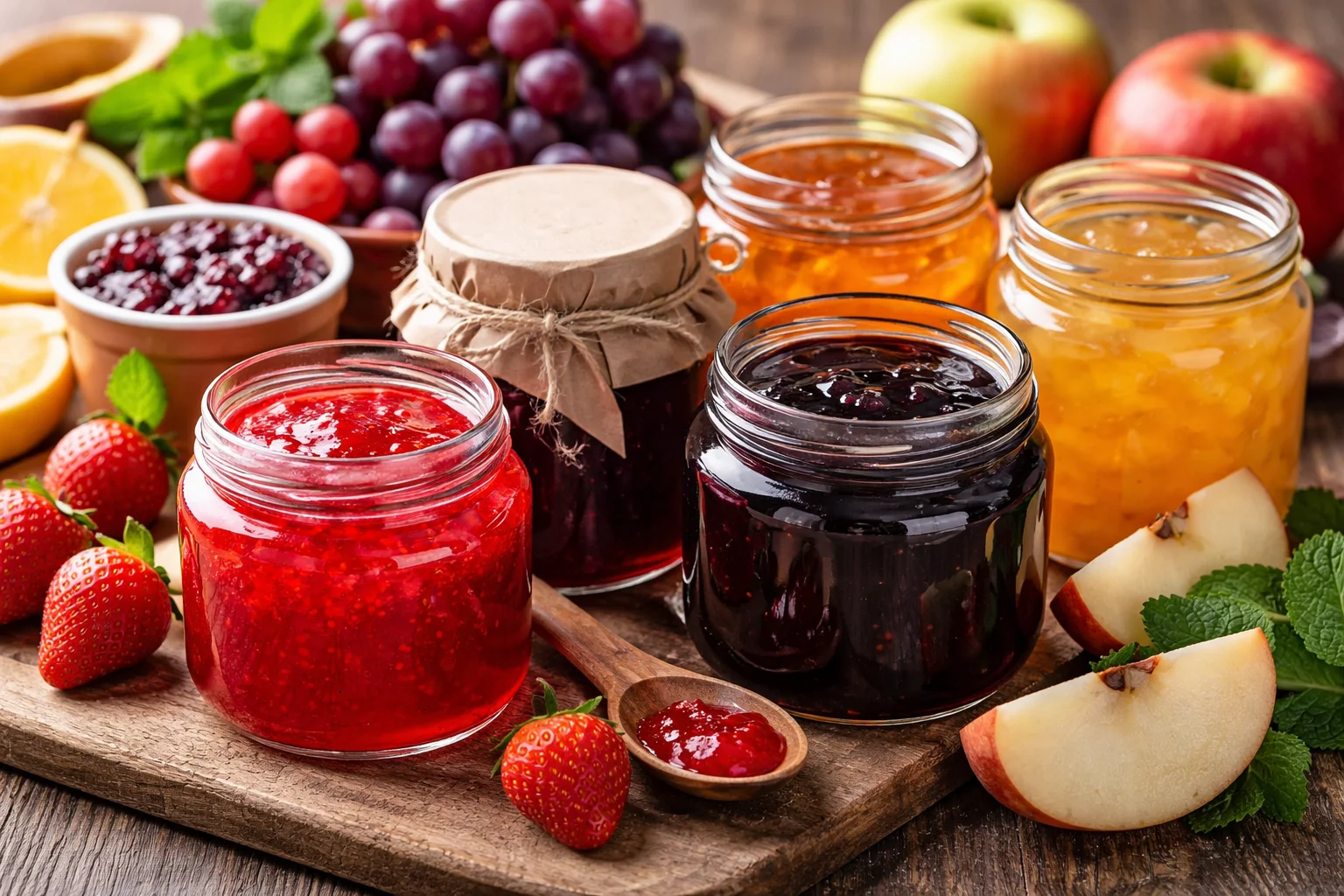
Jelly—an elegant and versatile concoction that has graced dining tables around the world for centuries. Whether you’re a home cook, a culinary enthusiast, or a hobby baker, diving into the art of jelly-making can be a rewarding experience. At www.recipesjelly.com, we bring you a comprehensive guide to mastering the perfect jelly, from classic favorites to innovative twists. Let’s embark on a flavorful journey that promises to delight your taste buds and elevate your culinary skills.
Introduction to Jelly Making
Jelly is more than just a sweet treat; it’s an art form that combines the science of preserving with the creativity of flavor pairing. Made from fruit juice, sugar, and a jelling agent like pectin or gelatin, jelly captures the essence of fruits in a delightful, spreadable form. Its translucent texture and vibrant colors make it a visually appealing addition to any meal.
The Appeal of Homemade Jelly
Why make jelly at home when you can easily buy it from a store? The answer lies in the customization and quality control that homemade jelly offers. When you make jelly at home, you can:
- Control Ingredients: Use fresh, organic fruits and choose the level of sweetness and acidity.
- Experiment with Flavors: Create unique combinations that you won’t find on store shelves.
- Ensure Quality: Avoid preservatives and artificial additives.
See also Weber Grillvorführung: Practical Learning Meets Live Culinary Innovation
Types of Jelly and Ingredients
Understanding the different types of jelly and their ingredients is crucial for any aspiring jelly maker. Here’s a breakdown of common and alternative ingredients used in jelly making:
Common Ingredients in Jelly
- Fruit Juice: The primary ingredient, offering flavor and color. Popular choices include strawberries, grapes, and apples.
- Pectin: A natural fiber found in fruits, it acts as a gelling agent. Commercial pectin is often added to ensure a firm set.
- Sugar: Essential for sweetness and the gelling process. Alternatives like honey and agave syrup can be used for a different taste.
- Acid: Lemon juice is commonly added to help set the jelly and balance flavors.
Alternative Ingredients
For those with dietary preferences or restrictions, consider these alternatives:
- Gelatin for Pectin-Free Jellies: Ideal for those who prefer a softer set.
- Agar-Agar: A plant-based substitute for vegan jellies.
- Natural Sweeteners: Use stevia or monk fruit for sugar-free options.
How to Make Jelly: Step-by-Step Guide
Crafting the perfect jelly requires attention to detail and patience. Below are step-by-step guides for various types of jelly, ensuring you achieve the best results every time.
Classic Strawberry Jelly Recipe
Ingredients:
- 4 cups of fresh strawberry juice
- 2 cups of sugar
- 1 packet of powdered pectin
- 1 tablespoon of lemon juice
Instructions:
- Prepare the Juice: Crush strawberries and strain through a fine sieve to extract the juice.
- Mix Ingredients: In a large pot, combine strawberry juice, lemon juice, and pectin. Bring to a boil.
- Add Sugar: Stir in sugar and boil for another minute.
- Check Consistency: Test a drop on a cold plate to see if it sets.
- Jar the Jelly: Pour into sterilized jars and seal. Allow to cool before storing.
Low-Sugar Jelly Options
For health-conscious individuals, reducing sugar doesn’t mean compromising on taste. Here’s how to make a delicious low-sugar jelly:
Ingredients:
- 4 cups of grape juice
- 1 cup of sugar
- 1 packet of low-sugar pectin
Instructions:
- Heat the Juice: Bring grape juice to a simmer in a large pot.
- Incorporate Pectin: Add low-sugar pectin and stir until dissolved.
- Sweeten: Add sugar gradually, adjusting to taste.
- Test and Jar: Follow the same steps as the classic recipe for testing and jarring.
Vegan and Vegetarian Recipes
Vegan jellies replace gelatin with plant-based alternatives. Here’s a simple vegan jelly recipe:
Ingredients:
- 4 cups of apple juice
- 2 tablespoons of agar-agar powder
- 1 tablespoon of lemon juice
Instructions:
- Combine Ingredients: Mix apple juice, agar-agar, and lemon juice in a pot.
- Boil: Bring to a boil and simmer for 2 minutes.
- Set and Cool: Pour into molds and refrigerate until set.
Tips for Perfect Jelly Every Time
Creating jelly that is both delicious and visually appealing is an art. Here are some tips to ensure success:
- Use Fresh Ingredients: The quality of your fruit juice directly impacts the flavor of your jelly.
- Sterilize Equipment: Always sterilize jars and lids to prevent spoilage.
- Test for Set: Use the plate test—drop a spoonful of jelly on a cold plate and tilt it. If it wrinkles, it’s ready.
- Avoid Overcooking: Overcooked jelly can become too hard. Follow cooking times closely.
Health Benefits and Nutritional Information
Jelly is not only a treat for the senses but also offers nutritional benefits, especially when made with natural ingredients.
Nutritional Highlights
- Rich in Vitamin C: Fruit-based jellies provide a good dose of vitamin C.
- Antioxidants: Dark berries like blueberries and blackberries are antioxidant-rich.
- Low-Calorie Options: Sugar-free and low-sugar jellies cater to calorie-conscious diets.
Comparison Table: Traditional vs. Low-Sugar Jelly
| Feature | Traditional Jelly | Low-Sugar Jelly |
|---|---|---|
| Sugar Content | High | Low |
| Caloric Value | Higher | Lower |
| Sweetness Level | Very Sweet | Mild |
| Gelling Agent | Pectin | Low-Sugar Pectin |
Innovative Jelly Recipes from Around the World
Exploring international flavors can add an exotic twist to your jelly repertoire. Here are some unique jelly recipes to try:
Exotic Fruit Jelly
Ingredients:
- 4 cups of passion fruit juice
- 2 cups of sugar
- 1 packet of pectin
Instructions:
- Combine and Boil: Mix juice and pectin in a pot, bring to a boil.
- Sweeten: Add sugar and boil for another minute.
- Set and Store: Pour into jars and seal.
Fermented Jellies
Fermented jellies offer probiotic benefits along with unique flavors. Though niche, they are gaining popularity.
Example: Kefir Jelly made with kefir water and fruit juice provides a tangy taste and probiotic perks.
Frequently Asked Questions
Q1: How can I make jelly without pectin?
A1: You can use natural alternatives like apple peels or citrus seeds, which are high in natural pectin.
Q2: What is the difference between jelly and jam?
A2: Jelly is made from fruit juice, while jam is made from crushed fruit, giving it a thicker texture.
Q3: How do I prevent jelly from setting too hard?
A3: Ensure you don’t overcook; use the plate test to check consistency.
Q4: Can jelly be made without sugar?
A4: Yes, use sugar substitutes like stevia or erythritol, and adjust pectin type accordingly.
Q5: How do I make jelly set faster?
A5: Increase the amount of pectin or gelatin and ensure the mixture reaches the correct temperature.
Q6: Is it possible to make jelly with artificial sweeteners?
A6: Yes, but you may need to adjust the recipe, as artificial sweeteners do not caramelize like sugar.
Q7: Can I use frozen fruit for making jelly?
A7: Absolutely, just ensure the fruit is fully thawed and drained before use.
Conclusion
Embarking on the journey of jelly-making opens up a world of flavors and culinary possibilities. Whether crafting a classic strawberry jelly or venturing into exotic fruit variants, the key lies in quality ingredients, precise techniques, and a dash of creativity. At www.recipesjelly.com, we aim to be your go-to resource for all things jelly, providing expert guidance and innovative ideas to enhance your experience. Start your jelly-making adventure today and savor the sweet success of homemade delicacies.