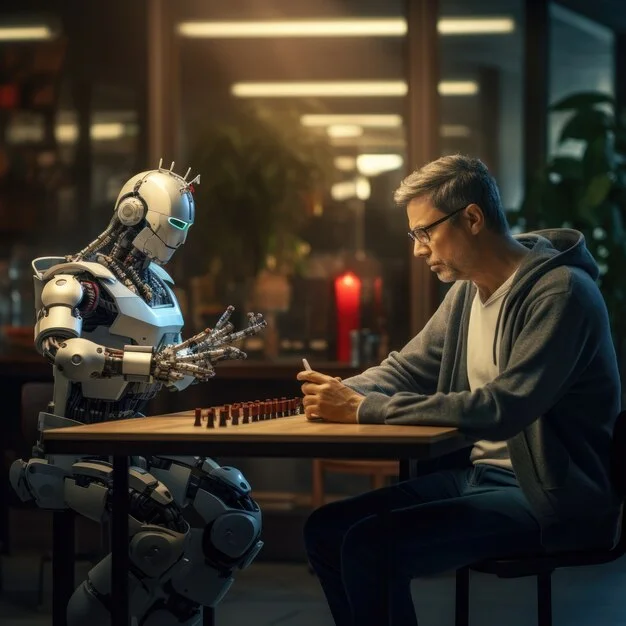
Technology is developing faster than ever, and artificial intelligence is playing a major role in that transformation. From smartphones and smart homes to online payments, cloud services, and workplace automation, AI is becoming part of the tools people use every day. What once seemed like futuristic technology is increasingly becoming an ordinary part of modern digital life.
For students, professionals, business owners, and technology enthusiasts, understanding these changes can make it easier to choose useful tools, protect personal information, and adapt to new opportunities. Resources such as thetechnotricks also help readers discover practical information about technology and digital tools.
This TechnoTricks guide explores how AI and other major innovations are changing everyday technology and what users can expect as the digital landscape continues to evolve.
Why Keeping Up With Technology Matters
Technology influences nearly every aspect of modern life. Businesses use digital systems to improve productivity, consumers rely on connected devices for convenience, and professionals increasingly depend on software to complete everyday tasks.
Staying informed about technology can help you:
- Build stronger digital skills.
- Make better decisions when purchasing devices and software.
- Improve personal and professional productivity.
- Understand online privacy and security.
- Identify emerging career opportunities.
- Adapt to changes in the workplace.
You do not need to become an expert in every new technology. Understanding the most important developments can give you a practical advantage.
Artificial Intelligence Is Transforming Everyday Technology
Artificial intelligence is one of the most influential developments shaping modern technology. AI systems can analyze information, recognize patterns, generate content, understand language, and automate tasks that previously required significant human effort.
Those interested in broader developments can explore Artificial intelligence and learn how it connects with other emerging technology trends.
How AI Is Being Used
AI is already integrated into many everyday services, including:
- Content generation
- Language translation
- Customer support
- Image creation
- Video editing
- Personalized recommendations
- Data analysis
- Voice assistants
- Fraud detection
- Automated workflows
For businesses, AI can reduce repetitive work and help employees spend more time on tasks requiring creativity, judgment, and strategic thinking.
AI is also becoming more accessible to ordinary users. People can now use intelligent tools for writing, brainstorming, organizing information, learning new subjects, and improving digital content without needing advanced technical knowledge.
AI-Powered Digital Assistants Are Becoming More Capable
Digital assistants are evolving beyond simple voice commands. Modern AI systems can understand more complex instructions, maintain conversational context, summarize information, and assist with different types of digital tasks.
The growth of conversational AI has also created a wide range of specialized applications. For example, people researching conversational tools may come across services such as Janitor AI and comparable alternatives designed for interactive AI experiences.
As these systems become more sophisticated, AI assistants may increasingly function as personal productivity tools rather than simply answering individual questions.
Cloud Computing Keeps Changing How We Store Information
Cloud computing has transformed the way individuals and organizations store, access, and share digital information.
Instead of relying exclusively on local hard drives or physical storage devices, users can access files and applications through internet-connected services.
Major Benefits of Cloud Technology
Cloud computing provides advantages such as:
- Convenient file storage
- Automatic backups
- Remote access
- Real-time collaboration
- Reduced dependence on physical hardware
- Greater flexibility for businesses
Cloud services also support many AI applications because powerful computing resources can be accessed remotely. This connection between cloud infrastructure and AI is helping make advanced technology available to a much wider audience.
Cybersecurity Is Becoming a Bigger Priority
Greater dependence on digital technology also creates new security challenges. Cybercriminals continue to target personal accounts, businesses, financial information, and other valuable data.
AI itself can contribute to cybersecurity by identifying unusual activity and detecting potential threats. At the same time, attackers can use advanced technologies to make scams and attacks more convincing.
Users should therefore maintain basic security habits, including:
- Using strong and unique passwords.
- Enabling two-factor authentication.
- Installing software updates promptly.
- Avoiding suspicious links and attachments.
- Creating backups of important information.
- Monitoring financial and online accounts.
Good cybersecurity practices remain essential regardless of how advanced the technology becomes.
Smartphones Are Becoming Intelligent Productivity Tools
Smartphones are no longer limited to calls, messages, and basic internet browsing. Modern devices combine powerful processors, advanced cameras, AI features, and extensive software capabilities.
Many smartphones now provide:
- AI-assisted photography
- Voice recognition
- Real-time translation
- Intelligent search
- Advanced photo editing
- Improved battery management
- Enhanced security
- Multitasking features
AI can analyze how users interact with their devices and help automate certain tasks. Camera applications, for example, can identify subjects, improve images, and adjust settings automatically.
Smart Homes Are Becoming More Automated
Smart home technology is another area where AI is making a noticeable difference. Connected devices can communicate with one another and respond to user preferences.
Common smart home products include:
- Smart speakers
- Connected lights
- Security cameras
- Smart locks
- Video doorbells
- Smart thermostats
- Connected appliances
AI can make these systems more useful by learning patterns and automating routine actions. Instead of manually adjusting every device, homeowners can increasingly rely on automated routines.
Future smart homes may become even more responsive as AI systems improve their ability to understand household activity and user preferences.
Wearable Technology Is Expanding Beyond Fitness
Smartwatches and wearable devices have developed considerably over the past few years. Although fitness tracking remains popular, modern wearables can provide a much broader range of functions.
Depending on the device, users may have access to:
- Heart-rate monitoring
- Sleep tracking
- Activity measurements
- Blood oxygen readings
- Emergency notifications
- Contactless payments
- Personalized activity guidance
AI can help process information collected by these devices and present it in ways that are easier for users to understand.
Automation Is Reshaping the Workplace
Automation is changing how companies approach repetitive tasks. AI-powered systems can handle processes that once required considerable manual effort.
Automation is increasingly used for:
- Scheduling
- Customer service
- Inventory management
- Data processing
- Financial reporting
- Manufacturing
- Document organization
The purpose is not simply to replace human work. In many cases, automation allows employees to spend more time on problem-solving, communication, creativity, and decision-making.
Companies that understand how to combine human expertise with automation may be better positioned to adapt to changing market conditions.
Digital Payments Are Becoming Standard
Cashless payments have become increasingly common in everyday life. Consumers can now make purchases through smartphones, cards, online banking services, QR codes, and digital wallets.
Modern payment systems use encryption, authentication, and fraud-monitoring technologies to protect transactions.
AI can also contribute to payment security by identifying unusual transaction patterns and helping financial institutions detect potentially fraudulent activity.
As digital payments continue developing, convenience and security will remain important factors in their adoption.
Sustainable Technology Is Driving New Ideas
Technology is also being influenced by growing interest in sustainability. Manufacturers are exploring ways to reduce energy consumption, limit electronic waste, and improve the efficiency of digital devices.
Examples include:
- Energy-efficient hardware
- Lower-power processors
- Recyclable materials
- Longer-lasting products
- More efficient data centers
- Sustainable manufacturing processes
AI can contribute to this effort by optimizing energy use, improving logistics, and helping organizations analyze resource consumption.
Virtual and Augmented Reality Are Expanding
Virtual reality and augmented reality are moving beyond entertainment and gaming.
Businesses and educational institutions are exploring these technologies for:
- Employee training
- Education
- Product demonstrations
- Interior design
- Healthcare applications
- Virtual tourism
- Professional simulations
As hardware becomes more comfortable and affordable, immersive technology could become a more common part of education, work, and shopping.
Data Privacy Matters More Than Ever
Almost every online activity produces digital information. Search queries, purchases, applications, websites, and social services can all involve the collection of user data.
As AI systems become more dependent on large amounts of information, understanding data privacy is increasingly important.
Users can take several simple steps to improve their privacy:
- Review application permissions.
- Remove accounts and apps that are no longer needed.
- Avoid sharing unnecessary personal information.
- Use strong passwords.
- Check privacy settings regularly.
- Keep devices and applications updated.
Being aware of how information is collected and used allows people to make more informed decisions about the services they use.
Learning Technology Skills for the Future
Continuous learning is becoming increasingly valuable because technology does not remain static. Skills that are useful today may evolve as new tools become available.
Some valuable areas to explore include:
- AI fundamentals
- Cloud computing
- Cybersecurity
- Data analysis
- Digital marketing
- Programming
- Content creation
- Automation
Readers can also explore resources such as radamm for additional digital and technology-related information.
The goal is not necessarily to master every technology. Instead, developing a willingness to learn can make it easier to adapt when new software, devices, and digital processes appear.
Following the Latest Technology Developments
Technology news changes quickly. New AI models, devices, applications, software updates, and digital services appear regularly, making reliable information useful for anyone who wants to stay informed.
Following Latest in Technology News can provide additional perspectives on technology developments and digital trends.
Readers interested in a broader overview can also explore Latest Technology Trends to understand how different innovations are influencing the wider technology industry.
Keeping up with developments does not mean following every headline. Focusing on technologies that directly affect your work, studies, business, or daily activities is usually more practical.
What Technology Users Can Expect Next
The next stage of digital innovation will likely bring even closer integration between AI, connected devices, and cloud services.
Some developments to watch include:
- More capable AI assistants
- Faster internet connections
- More intelligent smartphones
- Advanced robotics
- Smarter home automation
- Stronger cybersecurity systems
- Improved wearable technology
- More energy-efficient electronics
- Greater use of AI in business software
The boundaries between different technologies will also continue to blur. A smartphone, for example, may combine AI, cloud computing, cybersecurity, digital payments, and augmented reality within a single device.
Final Thoughts
AI is changing everyday technology by making digital tools more intelligent, personalized, and automated. Its influence can already be seen in smartphones, cloud services, smart homes, workplace software, digital payments, cybersecurity, and countless other areas.
However, AI is only one part of a much larger technological transformation. Cloud computing, automation, wearable devices, immersive technologies, sustainable hardware, and digital security are all contributing to the way people interact with technology.
The best way to prepare for these changes is to remain curious and continue learning. By understanding major innovations, practicing good cybersecurity habits, protecting personal information, and exploring useful digital tools, individuals can make technology work more effectively for them.
The future of technology will continue to evolve, but users who develop adaptable digital skills will be better prepared to take advantage of whatever comes next.