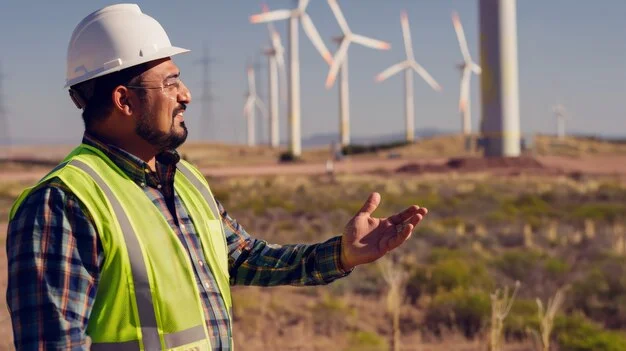
India is entering an important phase in its energy development. Growing fuel consumption, expanding cities, climate objectives, technological progress, and changing consumer expectations are influencing how energy is produced, delivered, and used.
Within this changing environment, oil marketing and distribution networks have an important responsibility. IOCMKT is positioned at the intersection of energy supply and everyday consumers, giving it a meaningful role as India gradually moves toward a cleaner, more diversified, and technology-driven energy system.
The future will not simply involve replacing conventional fuels. Instead, it will require energy companies to manage multiple sources, improve efficiency, introduce new technologies, and maintain dependable access for consumers across different parts of the country.
Understanding India’s Energy Transition
India’s energy transition is a long-term process rather than an immediate switch from traditional fuels to alternatives. Conventional petroleum products will continue to serve important transportation, industrial, and household requirements, while cleaner fuels and renewable technologies expand.
The challenge is to accommodate increasing energy demand while improving efficiency and reducing environmental impact. Affordability and energy security also remain important considerations.
This changing environment places additional responsibilities on energy marketing organizations. They must manage different types of products, adapt infrastructure, communicate effectively with customers, and respond to new regulations.
IOCMKT’s Role in Connecting Energy With Consumers
Energy policies and national targets become meaningful only when they can be implemented effectively at the consumer level. IOCMKT plays an important role in connecting energy supply with businesses, households, motorists, and other end users.
From transportation fuels to household energy products and industrial requirements, marketing and distribution systems influence how efficiently energy reaches the people who depend on it.
As new energy options become more common, this role could become even broader. Consumers will need information about new products, while businesses will need reliable distribution networks capable of handling changing patterns of demand.
Moving Beyond Traditional Petroleum Products
Petroleum products have historically played a central role in India’s energy system. Although conventional fuels are expected to remain important, diversification is becoming increasingly necessary.
Future energy portfolios may include CNG, biofuels, ethanol-blended fuels, and other lower-emission alternatives alongside traditional petroleum products.
Managing this broader portfolio will require more than simply introducing additional products. Storage facilities, transportation systems, safety procedures, retail infrastructure, and customer education may all need to evolve.
IOCMKT’s long-term relevance will therefore depend partly on its ability to operate effectively across both established and emerging energy categories.
Supporting the Growth of Cleaner Transportation
Transportation is one of the areas experiencing significant change. The growing adoption of electric vehicles and hybrid technologies is changing how consumers think about mobility and energy consumption.
For energy marketers, this creates both an opportunity and a challenge. Traditional fuel demand will continue for some time, but charging infrastructure and alternative fuels are becoming increasingly relevant.
IOCMKT can potentially support this transition by diversifying its energy offerings, participating in charging infrastructure initiatives, and improving the efficiency of existing fuel distribution networks.
The transition will likely be gradual. Millions of conventional vehicles will remain on the roads even as electric and hybrid models become more popular. Successful energy marketing will therefore require a balanced approach that serves current customers while preparing for future mobility.
Digital Transformation and Smarter Distribution
Technology is becoming increasingly important throughout the energy industry. Digital monitoring, automated systems, predictive analytics, and online customer services can improve the way energy is marketed and distributed.
For IOCMKT, digital transformation could support better demand forecasting, inventory management, logistics coordination, and customer communication.
For example, analyzing historical consumption patterns can help businesses anticipate demand more accurately. Automated tracking can improve visibility across supply chains, while digital customer services can make information easier to access.
Transparency is another important benefit. Consumers increasingly want to understand pricing, availability, service quality, and sustainability-related initiatives. Digital systems can help provide clearer information.
Businesses interested in broader data-driven approaches can also explore theexpotab for insights into how digital information and analytical tools can support modern decision-making.
Serving Urban, Rural, and Industrial Markets
India’s energy transition cannot focus only on major cities. Rural communities and industrial areas have distinct energy requirements and may face different infrastructure challenges.
Urban consumers may adopt new technologies quickly, while rural communities may continue to depend heavily on established fuel systems. Industries, meanwhile, require dependable and affordable energy to maintain production and competitiveness.
This creates an important responsibility for energy marketers. New solutions should expand energy choices without making reliable access more difficult for existing consumers.
IOCMKT’s extensive role across different market segments can be valuable in creating a more balanced transition. Innovation needs to be combined with accessibility, affordability, and dependable distribution.
Balancing Sustainability With Reliability
One of the most difficult aspects of an energy transition is maintaining stability while introducing change.
Sudden disruptions in fuel availability or significant cost increases can affect transportation, businesses, household budgets, and the wider economy. As a result, sustainability initiatives need to be implemented carefully.
A gradual approach can allow cleaner alternatives to expand while existing infrastructure continues to meet demand. Improving operational efficiency can also reduce waste without immediately requiring major changes in consumer behavior.
For IOCMKT, the objective should therefore be to support cleaner energy while maintaining the reliability that consumers and businesses expect.
Preparing the Workforce for a Changing Energy Industry
Technology and new energy products also change the skills required within the industry.
Employees may increasingly need knowledge of digital systems, data analysis, sustainability practices, alternative fuels, electric mobility, and advanced logistics.
Training will therefore become an important part of future development. Workers who understand both traditional fuel operations and emerging energy technologies can help organizations manage the transition more effectively.
The human element should not be overlooked. Even the most advanced technology requires trained people who can operate systems, solve problems, communicate with customers, and respond to unexpected situations.
Key Challenges Facing IOCMKT
The transition also presents several challenges.
Infrastructure Investment
Introducing new fuels, charging facilities, digital systems, and upgraded distribution networks can require significant investment.
Regulatory Changes
Energy policies can evolve as governments adjust environmental targets, taxation structures, fuel standards, and alternative-energy incentives. Businesses need flexible strategies that can respond to these developments.
Changing Consumer Expectations
Consumers increasingly expect convenience, transparent pricing, reliable service, and greater environmental responsibility. Meeting these expectations requires continuous improvement.
Managing Multiple Energy Sources
Operating with traditional fuels alongside alternative energy products creates additional logistical and operational complexity. Storage, transportation, safety, and retail systems may all need to accommodate different requirements.
Maintaining Affordability
The transition must remain economically practical. Energy solutions that are difficult for consumers or businesses to afford may struggle to achieve widespread adoption.
The Importance of Innovation
Innovation will likely be one of the defining factors in IOCMKT’s future.
Technology can help improve operational efficiency, while new energy products can broaden consumer choices. Data-driven systems can provide better market insights, and digital communication can create more direct relationships between energy providers and customers.
Innovation does not necessarily mean abandoning established practices. In many cases, it means improving existing systems while introducing new capabilities.
This approach can help IOCMKT remain adaptable as India’s energy requirements continue to change.
What the Future May Hold
The future of IOCMKT is likely to be characterized by gradual diversification rather than complete replacement of traditional energy systems.
Conventional fuels will continue serving significant demand, while cleaner alternatives and new technologies expand their presence. Energy marketing organizations will increasingly need to manage this combination of established and emerging solutions.
Digital technology may also become more deeply integrated into everyday operations. Forecasting, logistics, customer service, inventory management, and performance monitoring can all benefit from improved digital capabilities.
The ability to adapt quickly will become particularly valuable as consumer behavior and energy technologies continue to evolve.
IOCMKT as a Connector in India’s Energy Future
IOCMKT’s future role extends beyond simply marketing petroleum products. It can serve as a connector between energy producers, distribution networks, businesses, households, and emerging technologies.
As India’s energy mix becomes more diverse, consumers may interact with energy providers through a broader range of products and services. Energy companies will need to understand these changing expectations while maintaining the reliability of existing systems.
This makes adaptability, innovation, and customer awareness increasingly important.
Conclusion
India’s energy transition is a long-term transformation involving conventional fuels, cleaner alternatives, digital technology, changing transportation patterns, and evolving consumer expectations.
IOCMKT has an important position within this transformation because effective marketing and distribution are essential for turning energy strategies into real-world services.
Its future success will depend on balancing several priorities: maintaining reliable fuel supplies, supporting cleaner mobility, adopting digital systems, improving efficiency, developing workforce skills, and ensuring that new energy solutions remain accessible.
The transition will not happen overnight. Instead, India’s energy future will develop through a combination of established systems and emerging technologies. IOCMKT’s ability to adapt to this gradual change could help it remain an important part of the country’s energy ecosystem for years to come.
Ultimately, the future of energy marketing will be defined not only by what fuels are available, but by how effectively those fuels and technologies are delivered, managed, and connected to the people who need them.